Betta Fish Diseases — Complete Treatment Guide (With Pictures)
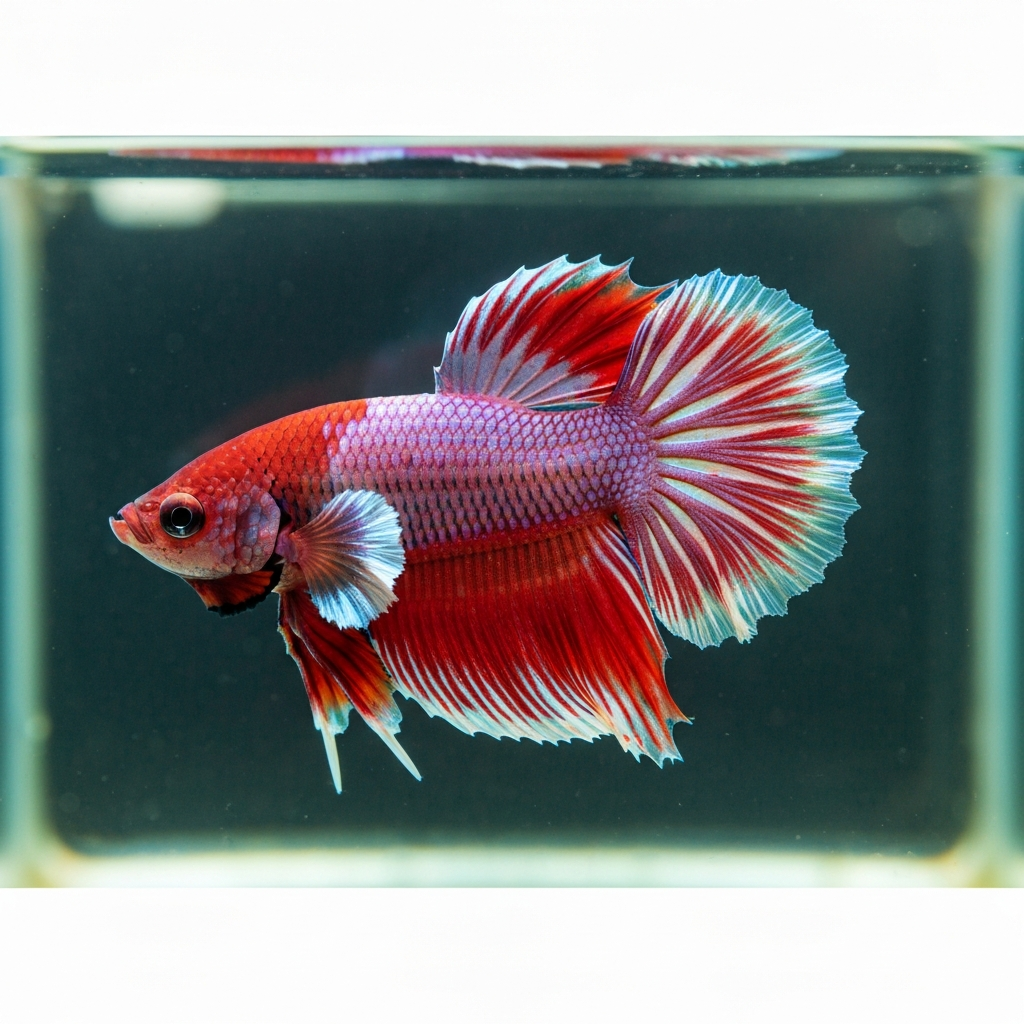
The moment you notice something off about your betta — clamped fins, a white spot that wasn't there yesterday, or a sudden refusal to eat — your stomach drops. I know that feeling. I've felt it more times than I'd like to admit over seven years of keeping these fish.
Here's the thing about betta fish diseases: most of them are completely preventable. And even when they do strike, the vast majority are treatable if you catch them early and know what you're looking at.
The problem? Fish disease information online is a mess. A blurry forum photo gets diagnosed three different ways by five different people. Someone tells you to dump in aquarium salt for everything. Another person says salt kills bettas. Meanwhile your fish is getting worse while you scroll through conflicting advice.
This guide is what I wish I'd had during my first disease outbreak. I'm going to walk you through every common betta fish disease — exactly what it looks like, what causes it, and the step-by-step treatment I've personally used to beat it. No guesswork. Just what works.
⚠️ Before You Reach for Medication
The single most effective treatment for most betta fish diseases is clean, warm water. Before you medicate, test your water parameters. If ammonia or nitrite is anything above zero, do a 50% water change with temperature-matched, conditioned water. I've seen clamped fins, mild fin rot, and even early ich resolve with nothing but clean water and stable temperature. Medication is a tool — not always the first move.
Fin Rot: The Most Common Betta Fish Disease (And Easiest to Fix Early)
Fin rot is exactly what it sounds like: the fins start deteriorating. What begins as slightly ragged edges progresses to chunks of fin missing, discolored edges (white, black, or red), and in severe cases, the rot reaches the body and causes body rot — which is often fatal.
What it looks like: Fin edges look frayed or uneven. You might notice a milky white or dark edge where the fin is actively rotting. In advanced stages, the fins are noticeably shorter, the rays split apart, and you may see inflammation at the base of the fin.
What causes it: Poor water quality, plain and simple. Ammonia and nitrite burn fin tissue. The damaged tissue gets infected by opportunistic bacteria (usually Pseudomonas or Aeromonas). A betta with a strong immune system in clean water will almost never get fin rot. Stress from cold water, aggressive tank mates, or rough decor that tears fins also opens the door.
My treatment protocol:
- Step 1: Test your water. If ammonia or nitrite > 0, do a 50% water change immediately. Then do 25% daily changes until parameters are stable. This alone cures mild fin rot in 3–5 days.
- Step 2: Add aquarium salt at 1 teaspoon per gallon. Important: dissolve the salt in a cup of tank water first, then slowly add it over several hours. Aquarium salt is not table salt — you can find it at any pet store for about $4. It reduces osmotic stress on the fish and has mild antibacterial properties.
- Step 3 (if no improvement after 5 days): Move to medication. Seachem Kanaplex is my go-to for bacterial fin rot. It's a broad-spectrum antibiotic that treats both gram-negative and gram-positive bacteria. Dose according to the label — typically one scoop per 5 gallons every 2 days for up to 3 doses.
- Alternative: API Melafix works for mild to moderate cases. I'll be honest — opinions are mixed on Melafix for bettas (some report labyrinth organ sensitivity), but I've used it successfully at half the recommended dose with no issues. If you have Kanaplex available, use Kanaplex instead.
Fin rot caught early resolves within a week. Severe cases where the rot has reached the body are a different story — at that point you're racing against systemic infection, and euthanasia may be the kindest option if antibiotics don't work.
Ich (White Spot Disease): Recognize It Fast, Treat It Aggressively
Betta fish ich is caused by the parasite Ichthyophthirius multifiliis. It looks like someone sprinkled salt or sugar crystals on your fish — tiny white dots on the fins, body, and gills. Affected fish flash against objects (scratching), clamp their fins, and may breathe rapidly.
How it works: The white spots are actually cysts where the adult parasite has burrowed into the fish's skin. After a few days, the cysts burst and release free-swimming parasites that reinfect the fish or spread to tank mates. This life cycle is why ich seems to "come back" after treatment — you killed the spots, but not the free-swimming stage.
What causes it: Ich is almost always introduced by new fish, plants, or decor that weren't quarantined. It can also flare up when a betta is stressed — sudden temperature drops are a classic trigger. The parasite is present in many tanks at low levels, waiting for a weakened host.
My treatment protocol:
- Step 1: Gradually raise the temperature to 82–84°F (28–29°C). This speeds up the parasite's life cycle, pushing it into the free-swimming stage faster where medication can kill it. Increase by 1°F per hour — rapid changes stress the fish.
- Step 2: Use a true ich medication. My preferred is Ich-X (contains malachite green and formalin). Dose exactly per the label. For bettas specifically, I start at 75% of the recommended dose and monitor for stress. Kordon Rid-Ich Plus is another solid option.
- Step 3: Continue treatment for at least 3 days after the last visible white spot disappears. If you stop the moment spots vanish, free-swimming parasites survive and the cycle resumes within a week.
- Step 4: Do a 25% water change before each dose. Ich medications are potent. Remove carbon from your filter — it absorbs the medication.
What doesn't work: Aquarium salt alone won't cure established ich. Raising temperature alone might — if you catch it in the first 24 hours. Heat plus medication is the reliable combination. I've also seen people recommend the "heat plus salt" method at 86°F, and while it can work, ich at that temperature moves so fast it can overwhelm a fish's gills before the salt does its job. Use a proper medication.
Swim Bladder Disorder: When Your Betta Can't Stay Upright
Swim bladder disorder is terrifying to watch. One day your betta is swimming normally. The next, it's floating sideways at the surface, sinking to the bottom like a rock, or swimming in corkscrew patterns. The swim bladder is the internal organ that controls buoyancy — when it malfunctions, the fish loses control.
Two distinct types:
- Constipation-related (most common): The digestive tract presses on the swim bladder. This is what causes floating at the surface and a swollen belly. Usually fixable.
- Infection-related (serious): Bacterial or parasitic infection of the swim bladder itself. Often accompanied by other symptoms: clamped fins, lethargy, loss of color. Harder to treat.
What causes it: Overfeeding is the #1 culprit — especially dry pellets that expand in the stomach. Low-quality food with lots of fillers. Sudden temperature drops. And sometimes it's just genetic — double tail bettas in particular are prone to swim bladder issues because of their compressed body shape.
My treatment protocol (constipation type):
- Step 1: Fast the fish for 2–3 days. No food at all. This gives the digestive system time to clear.
- Step 2: On day 3, feed a small piece of thawed, peeled frozen pea (about 1/4 of a pea). Peas act as a laxative for fish. Daphnia works even better — it's a natural laxative and more species-appropriate for bettas, who are carnivores. You can buy frozen daphnia at most fish stores.
- Step 3: Raise temperature slightly to 80°F to speed metabolism.
- Step 4: Keep the water level low (4–5 inches) if the fish is struggling to reach the surface for air. Bettas need to breathe atmospheric oxygen.
Constipation-related swim bladder disorder usually resolves within 3–5 days of fasting and a laxative meal.
If it's infection-related: After 3 days of fasting with no improvement, and the betta shows other symptoms (clamped fins, lethargy, appetite loss), you're likely dealing with an internal infection. Move to a hospital tank and treat with Seachem Kanaplex combined with Seachem MetroPlex (or a food soaked in medication if the fish is still eating). This covers both bacterial and parasitic causes.
Epsom salt baths: For persistent bloating, a 15-minute Epsom salt bath (1 tablespoon per gallon, in a separate container) can reduce swelling through osmosis. Do not confuse Epsom salt with aquarium salt — they're completely different compounds.
Velvet Disease: The Gold Dust Killer
Velvet is caused by the dinoflagellate parasite Oodinium. It's less common than ich but far more lethal — and it's harder to spot until it's advanced. The telltale sign is a fine gold or rust-colored dusting on the fish's body, most visible under a flashlight in a darkened room. The betta may also rub against objects, hold fins clamped, and show labored breathing.
Why it's dangerous: Velvet attacks the gills first. By the time you see gold dust on the body, the gills are already heavily parasitized. A betta with velvet can suffocate even in well-oxygenated water because the gill tissue is too damaged to exchange oxygen.
What causes it: Same as ich — introduced from new fish or plants, and triggered by stress. Velvet thrives in tanks with inconsistent lighting and poor water quality. It's also more common in tanks without a stable day/night cycle because the parasite has a photosynthetic stage.
My treatment protocol:
- Step 1: Blackout the tank. Cover it completely for 3–4 days. Velvet parasites use photosynthesis during their free-swimming stage — darkness disrupts their life cycle.
- Step 2: Raise temperature to 82–84°F, same as ich, to accelerate the parasite's life cycle into the treatable stage.
- Step 3: Use Ich-X or API General Cure. Copper-based medications like Seachem Cupramine also work but are trickier to dose correctly. I stick with Ich-X at full strength for 5–7 days.
- Step 4: Add aquarium salt at 1 teaspoon per gallon to reduce osmotic stress.
Bettas with velvet need aggressive treatment fast. I've lost fish to velvet in under 48 hours from first symptoms. If your betta has been flashing against objects and you see one tiny gold speck, don't wait — start treatment immediately.
Dropsy: The Symptom No One Wants to See
Dropsy isn't a disease itself — it's a symptom of organ failure, usually kidney failure. A betta with dropsy looks bloated and has raised scales that stick out from the body like a pinecone (called "pineconing"). This is fluid buildup between the tissues.
I'm going to be honest with you: by the time pineconing is visible, the prognosis is poor. Dropsy indicates that the internal organs are failing. The underlying cause is often a systemic bacterial infection, but kidney damage may be irreversible by the time symptoms appear.
What it looks like: Bloating (especially behind the gills and along the belly), scales sticking outward in a pinecone pattern, lethargy, hiding, refusal to eat. The fish may also have pale gills and stringy white feces.
My treatment protocol (aggressive, low success rate):
- Step 1: Move to a hospital tank with clean, conditioned water at 80°F.
- Step 2: Epsom salt bath: 1 tablespoon per gallon for 15 minutes, 1–2 times daily. This draws out fluid and reduces swelling, but it does not address the cause.
- Step 3: Treat with Seachem Kanaplex (antibiotic) and Seachem MetroPlex (antiparasitic/antibiotic) simultaneously. If the fish is still eating, soak food in the medication — it's far more effective than water-column dosing.
- Step 4: Keep water absolutely pristine. Zero ammonia, zero nitrite.
I've had exactly one betta recover from visible pineconing, and it was a very mild case caught within hours. If your betta has full-body pineconing, isn't eating, and is lying on its side — the kindest option may be euthanasia using clove oil. I hate writing that, but I'd rather you hear it here than spend $40 on medications and watch the fish suffer for a week.
Columnaris: The Disease Everyone Misdiagnoses
Columnaris (also called cotton wool disease, mouth fungus, or saddleback disease) is often confused with fungal infections because it looks fluffy and white. But it's actually a bacterial infection caused by Flavobacterium columnare. This distinction matters because fungal medications won't touch it — and you'll waste precious treatment time.
What it looks like: This disease takes several forms. You might see white or grayish patches on the mouth (mouth fungus form), a saddle-shaped pale lesion across the back (saddleback form), or white, cottony growths on the fins and body. The gill form causes rapid breathing with no visible external signs. In all forms, the fish becomes lethargic and stops eating.
What causes it: Columnaris bacteria are present in virtually all aquariums — they're opportunistic. High temperatures (above 82°F actually favors columnaris), poor water quality, overcrowding, and stress are triggers. This is the one disease where raising temperature makes things worse.
My treatment protocol:
- Step 1: Lower temperature to 75–76°F. Columnaris thrives in warm water — cooling the tank slows bacterial growth.
- Step 2: Seachem Kanaplex plus API Furan-2 (or Jungle Fungus Clear fizz tabs, which contain nitrofurazone + furazolidone). These are antibiotics effective against Flavobacterium. Kanaplex is absorbed through the skin and gills, making it effective even if the fish isn't eating.
- Step 3: Add aquarium salt at 1 teaspoon per gallon to support osmotic function.
- Step 4: Remove carbon from filter. Do a 25% water change before each redose. Continue treatment for at least 7 days.
Columnaris can kill a betta within 24–48 hours in its acute form. The saddleback variant is slightly slower. Either way, treat it like an emergency. The combination of Kanaplex and Furan-2 is what experienced aquarists reach for — don't mess around with Melafix for columnaris.
Prevention Tips: Keeping Your Betta Healthy Long-Term
I've said it before and I'll say it again: the best disease treatment is the one you never need. Here's my prevention framework that's kept my bettas healthy for years:
- Cycle your tank before adding fish. A fishless cycle takes 3–6 weeks. Use the API Freshwater Master Test Kit. Don't add the betta until ammonia and nitrite are zero. Every disease in this guide becomes orders of magnitude more likely in an uncycled tank.
- Quarantine everything new. New fish? Two weeks in a separate tank. New plants? Dip them in a potassium permanganate solution or alum dip. New snails? Quarantine. I learned this the hard way after a single new plant introduced ich to my 20-gallon community tank.
- Stable temperature is non-negotiable. An adjustable heater with a separate thermometer. 78–80°F. No exceptions. Temperature swings of more than 2–3°F per day stress the immune system.
- Don't overfeed. Two to three pellets twice a day. Skip one day a week. Remove uneaten food after 2 minutes. Rotting food in the substrate produces ammonia and feeds harmful bacteria.
- Weekly water changes. 25% every week for a 5-gallon. Use a gravel vacuum to remove debris. Always temperature-match and condition the new water.
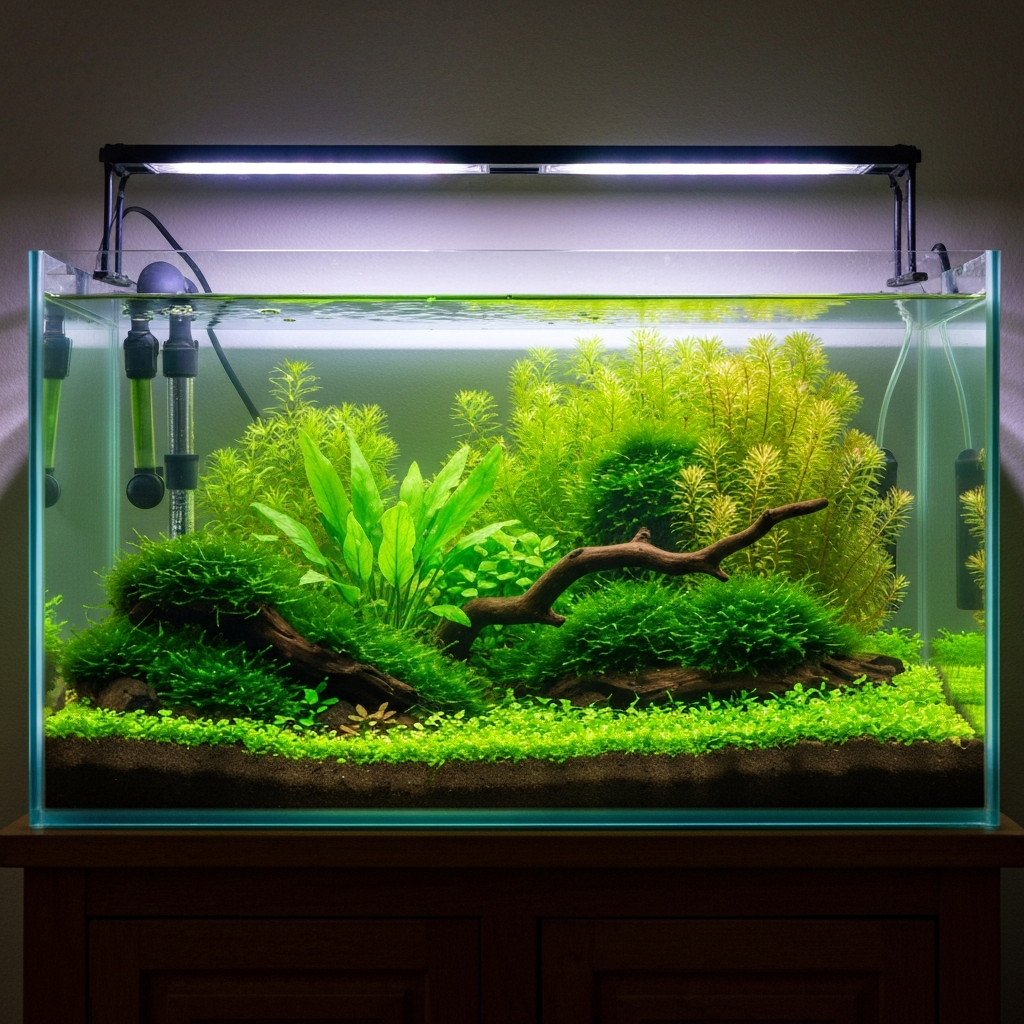
- Stress is the silent killer. Bright lights 24/7, aggressive tank mates, strong filter current, lack of hiding spots — all of these suppress the immune system. Bettas need 8–10 hours of light, gentle filtration, and places to hide (plants, caves, driftwood).
- Have a hospital tank ready. A simple 2.5-gallon plastic tub, a small heater, and an air stone costs under $20. When disease strikes, you want to treat in a separate environment — it protects other fish, lets you control medication dosing precisely, and reduces stress on the sick fish.
When to Use Medication: A Decision Framework
Walk into any fish store and you'll see shelves of medications — each promising to cure dropsy, fin rot, ich, velvet, and probably your car troubles too. It's overwhelming. Here's how I decide what to use and when:
Start with water, not medicine. If your betta has clamped fins, mild fin rot, or is just "acting off," do a 50% water change with conditioned, temperature-matched water. Test your parameters. Fix water quality first. 50% of "sick betta" cases I see online resolve with nothing more than clean water and a working heater.
Use salt before antibiotics. Aquarium salt (1 teaspoon per gallon) is the gentlest intervention. It reduces osmotic stress, has mild antibacterial and antifungal properties, and supports gill function. It's appropriate for mild fin rot, minor injuries, and as supportive care alongside other treatments. Do not use salt continuously — it builds up and can only be removed through water changes. A salt treatment should last no more than 10–14 days.
Know your medications:
- Seachem Kanaplex: My first-line antibiotic. Broad-spectrum, absorbed through skin and gills. For bacterial fin rot, columnaris, systemic infections, popeye.
- API Furan-2 / Jungle Fungus Clear: For columnaris specifically, and stubborn bacterial infections. Often combined with Kanaplex.
- Ich-X: For ich and velvet. Contains malachite green and formalin. Effective, but dose carefully for labyrinth fish.
- Seachem MetroPlex: For internal parasites and anaerobic bacteria. Combine with Kanaplex for dropsy or severe internal infections.
- API Melafix: Mild antibacterial from tea tree oil. I use it for minor fin damage, never for established infections. Controversial for bettas — start at half dose.
- API General Cure: Combination of metronidazole and praziquantel. Good all-around for parasites, including velvet and internal worms.
- Epsom salt (not aquarium salt): For bloating, mild dropsy/fluid retention. Bath only, 1 tbsp per gallon, 15 minutes. Never add Epsom salt directly to the main tank.
When to euthanize: This is the hardest decision, and nobody talks about it enough. If your betta has advanced dropsy with full pineconing, hasn't eaten in over a week, is lying on its side gasping, and isn't responding to treatment — it may be time. Clove oil is the accepted humane method: 5–10 drops in a cup of tank water, shake until milky, add the fish. It falls asleep before passing. It's not failure. It's not giving up. It's choosing to end suffering when recovery isn't possible.
I hope you never need that last paragraph. I hope this guide helps you catch disease early and treat it effectively. But mostly, I hope you walk away understanding that clean water, stable temperature, and good food prevent almost everything in this article from ever happening in the first place.
Your betta depends on you. That's a lot of pressure. But if you've read this far, you care enough to get it right. And that's most of the battle already won.
Related Guides
Alex Rivera
Betta keeper since 2019. I've treated pretty much every disease on this list firsthand. I write honest, experience-backed guides — no fluff, no pet store myths.