What to Feed Your Betta Fish — The Complete Diet Guide
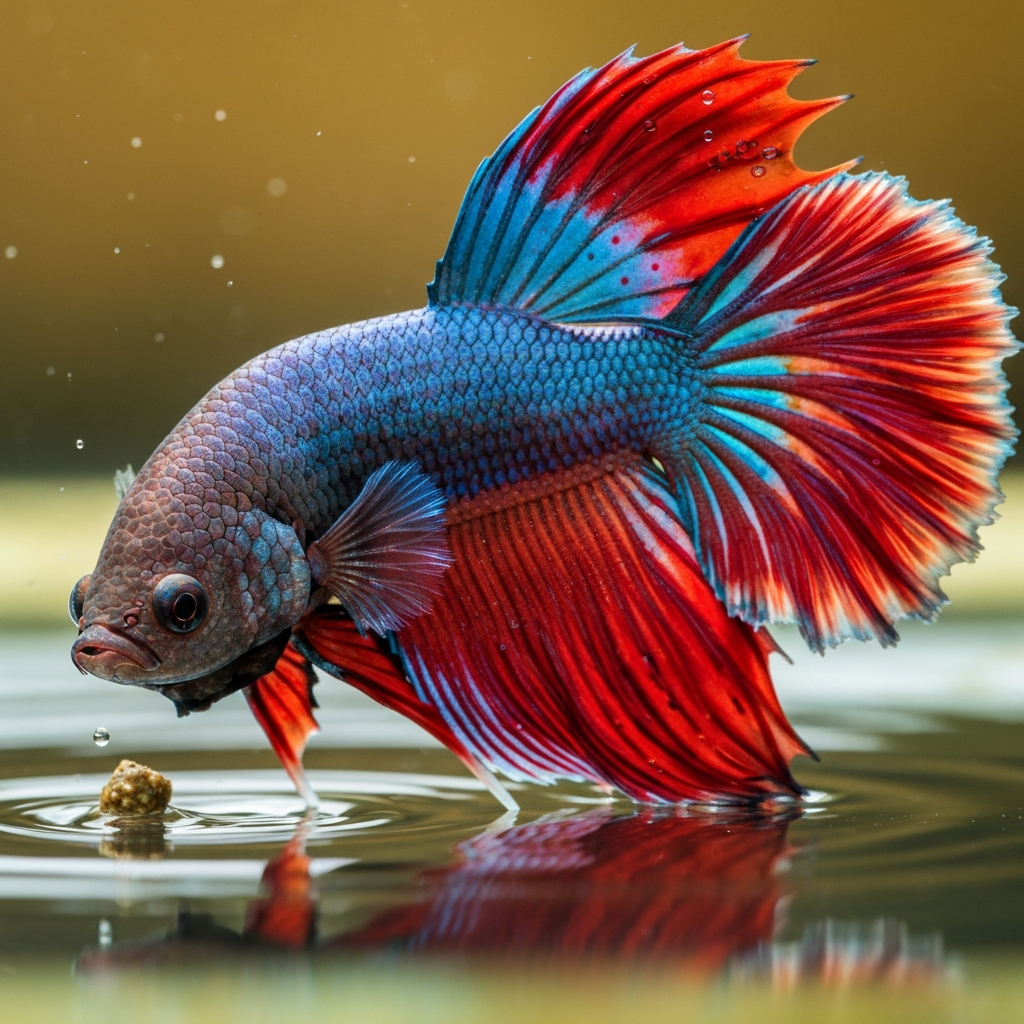
I killed my second betta by overfeeding him. I didn't know bettas could get constipated. I didn't know their stomachs were the size of their eye. I just dropped in a pinch of flakes every morning, same as I did with my childhood goldfish.
Day 8: bloated belly. Day 10: floating sideways at the surface. Day 11: dead.
Swim bladder disorder from overfeeding is one of the most common causes of betta death — and one of the easiest to prevent. Feed the right food, in the right amount, and your betta will thrive for years. Feed garbage, and you'll be flushing $8 fish every few weeks.
What Bettas Actually Eat in the Wild
Bettas are insectivores. In the rice paddies and slow-moving streams of Thailand, they hunt mosquito larvae, small crustaceans, and insects that land on the water surface. Their mouths are upturned for a reason — they're built to strike prey from below.
They're not algae eaters. They're not scavengers. They're pure predators, and their digestive systems are designed for high-protein animal matter, not plant-based fillers.
This is why generic tropical fish flakes are terrible for bettas. Most flakes are 40% wheat flour and fish meal designed for omnivorous community fish. A betta on a flake-only diet is slowly starving while its stomach fills with indigestible plant matter.
The Best Betta Pellets: Ranked
I've bought and tested a dozen brands. Here's what actually works:
1. Fluval Bug Bites (Betta Formula) — $5 for 1.6 oz. These are the best pellets on the market and I'll fight anyone who says otherwise. First ingredient: black soldier fly larvae. Not fish meal, not wheat — actual insect protein. The pellets are micro-granules that float, then slowly sink. Bettas hit them as they drift down. 45% crude protein, which matches their wild diet. Every betta I've fed these to has colored up within two weeks.
Fluval Bug Bites (Betta Formula)
The ultimate high-protein diet for bettas. Made with actual black soldier fly larvae as the first ingredient to mimic their natural insect-based wild diet, this formula guarantees rich, vibrant colors and optimal digestive health.
2. Northfin Betta Bits — $8 for 20g. First ingredient: whole Antarctic krill. Second: whole sardine. No fillers, no artificial colors. The pellets are 1mm — perfect size for an adult betta. My only complaint is they sink fast, so drop them one at a time or your betta won't find them.
Northfin Betta Bits
Ultra-premium slow-sinking 1mm pellets made with whole Antarctic krill and whole sardine. Containing absolutely zero fillers, additives, or artificial dyes, Northfin is easily digested and highly appetizing.
3. Omega One Betta Buffet Pellets — $6 for 1 oz. First ingredient: whole salmon. Second: whole herring. Good ingredients, but the pellets are slightly larger than ideal for smaller bettas. Also contains wheat flour as a binder, which is why it's #3 instead of #2.
Avoid: Aqueon Betta Pellets (first ingredient: wheat flour), Tetra BettaMin flakes (more filler than food), Wardley Betta Pellets (mostly corn and soy). If the first ingredient isn't a whole animal protein, put it back on the shelf.
Frozen Foods: The Secret to Vibrant Bettas
Pellets are convenient. Frozen food is what makes bettas thrive. I feed frozen foods twice a week and pellet the other five days.
Frozen bloodworms — $6 for a flat pack at Petco. These are mosquito larvae, not actual worms. Every betta goes insane for them. Thaw a small chunk in a shot glass of tank water for 5 minutes, then use tweezers to drop in 3-4 worms. Don't feed bloodworms every day — they're fatty, like fish junk food. Twice a week max.
Frozen brine shrimp — $6. Tiny orange shrimp that float in the water column. Great for variety. Bettas chase them down like it's a sport. Lower protein than bloodworms but they stimulate hunting behavior.
Frozen daphnia — $5. These are tiny water fleas. They're basically fiber for fish — if your betta is constipated (bloated belly, stringy poop), feed daphnia for 2-3 days. The exoskeleton acts as roughage and clears their digestive tract. Way more effective than feeding a pea (which is an outdated myth — bettas can't digest plant matter).
Live Food: Worth the Hassle?
Live food triggers the strongest feeding response. A betta that's been ignoring pellets for days will snap at a live blackworm like it owes him money.
But live food is work. You need to culture it, keep it alive, and worry about parasites. I've cultured wingless fruit flies (Drosophila melanogaster) — bettas love them, but a culture lasts about 3 weeks and smells like a biology lab. I've also fed live blackworms, but they die in the fridge after a week and the smell is something else.
My honest take: if you have one betta, frozen food gives you 90% of the benefit with zero of the hassle. If you're breeding bettas or have a fish room, live food is worth the effort. For everyone else, Bug Bites + frozen bloodworms + occasional daphnia is a perfect diet.
The Feeding Schedule I Actually Use
Here's what works for my 4 bettas:
- Monday: 3-4 Bug Bites pellets, morning
- Tuesday: 3-4 Bug Bites pellets, morning
- Wednesday: Frozen bloodworms (3-4 worms)
- Thursday: 3-4 Northfin pellets, morning
- Friday: 3-4 Bug Bites pellets, morning
- Saturday: Frozen brine shrimp or daphnia
- Sunday: Fasting day — no food
The fasting day is important. In the wild, bettas don't eat every day. A weekly fast lets their digestive system clear completely and prevents the bloating and constipation that kills so many captive bettas.
Feed once a day, not twice. The "2-3 pellets twice a day" advice on most containers is designed to sell more fish food, not keep your betta healthy. One feeding a day is plenty for an adult betta.
How Much Is Too Much? The Eyeball Rule
A betta's stomach is roughly the size of one of its eyeballs. Look at your betta. That's how much food it needs per day. Not per feeding — per day.
For most adult bettas, that's 3-4 micro pellets. If you're feeding larger pellets like Omega One, it's 2-3. If you see a slight belly bulge after eating, that's normal. If the belly is still bulging 2 hours later, you fed too much.
Signs you're overfeeding: bloated belly, long stringy poop (white or brown), lethargy, floating sideways, not eating. If you see any of these, fast for 2-3 days, then feed daphnia. If the betta doesn't improve within 5 days, it might be a bacterial infection — but start with the fast. 9 times out of 10, that's all it takes.
Soaking Pellets: Yes, You Should
Dry pellets expand when they hit water. If your betta swallows a dry pellet, it expands in their stomach. This causes bloating and can lead to swim bladder issues, especially in doubletail and halfmoon bettas whose organs are more compressed.
Soak pellets in a shot glass of tank water for 3-5 minutes before feeding. They'll sink instead of float, so drop them one at a time right in front of your betta. Most bettas quickly learn to watch the shot glass and get excited when they see it.
Yes, it's an extra step. It takes 3 minutes. Your betta will live longer because of it.
Look, betta nutrition isn't complicated. Feed high-quality insect-based pellets. Add frozen food for variety and color. Fast one day a week. Soak your pellets. That's it.
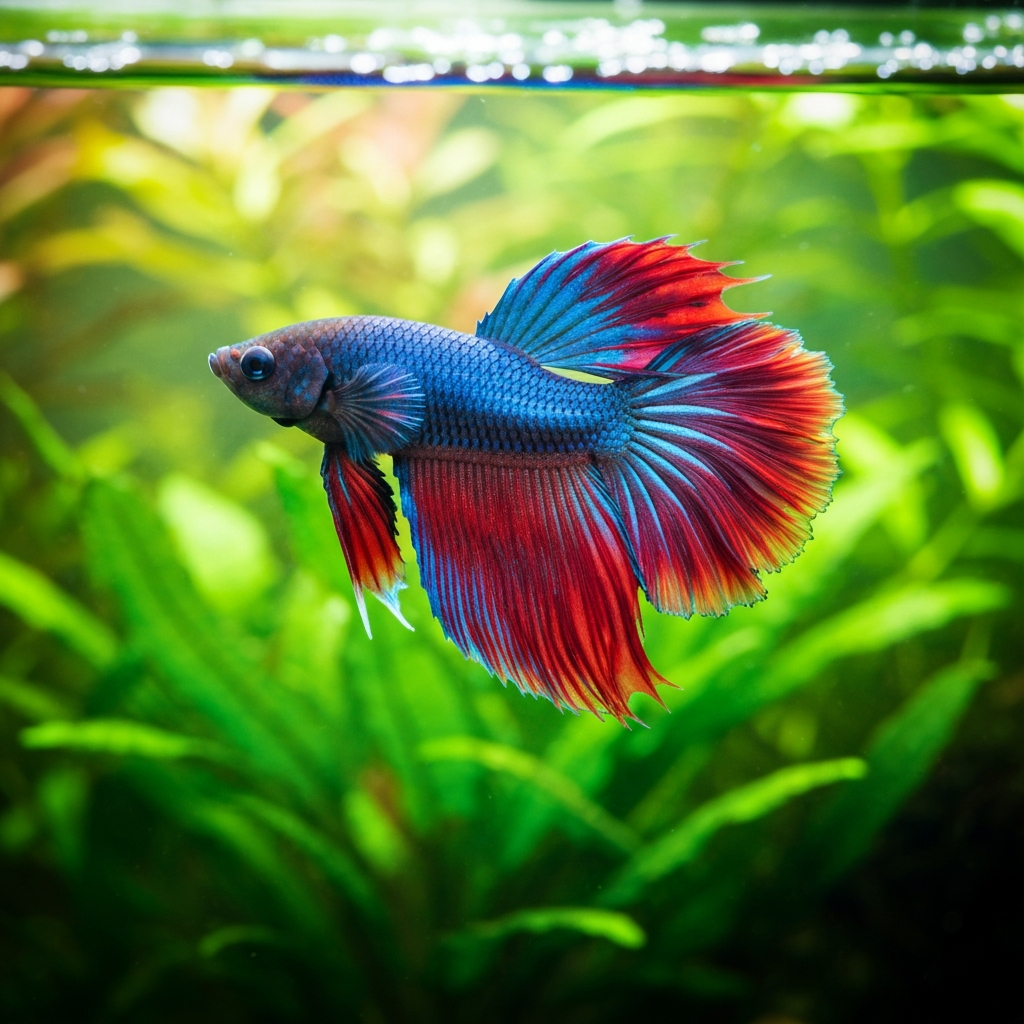
The betta I'm looking at right now — a copper koi plakat named Jin — has been on this exact feeding schedule for 2 years. He's vibrantly colored, actively patrols his 10-gallon, and builds bubble nests the size of my palm every week. He eats like a king and it costs me maybe $3 a month.
Feed them right. They'll show you colors you didn't know they had.
Related Guides
Alex Rivera
Betta keeper since 2019. My fish eat better than I do. Bug Bites forever.