Betta Fish Care Guide — The Complete Beginner's Handbook
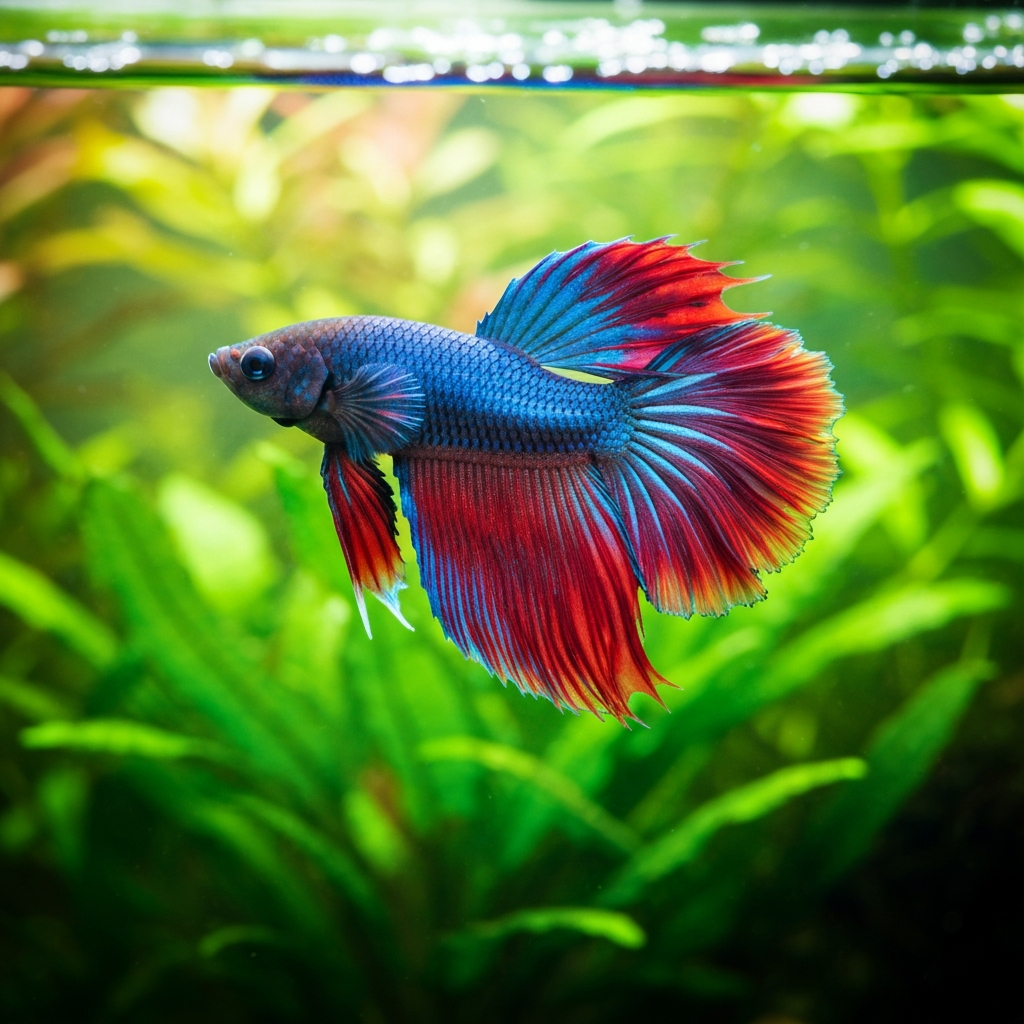
I still remember the first betta I killed. It was 2019. Pet store cup. Tiny bowl. No heater. No filter. Three weeks later, that gorgeous blue veiltail was floating belly-up.
I'd done everything the pet store guy told me. The problem? Almost everything he said was wrong.
Seven years and about a dozen bettas later, I've learned the hard way what actually works. Not what the chain store care sheet says — what keeps a betta thriving for 3 to 5 years instead of dying in 3 weeks.
If you just brought home your first betta — or you're tired of watching them die — this guide covers exactly what you need. No fluff. No upselling. Just what I wish someone had told me back in 2019.
Tank Size: Bigger Isn't Always Better, But Tiny Is Always Worse
The single biggest lie in the aquarium hobby? "Bettas live in puddles in the wild, so they like small tanks."
Technically true that they can survive in shallow water. Wild bettas come from rice paddies in Thailand that spread across acres — not puddles. And those paddies have constant water exchange. A half-gallon bowl has zero water exchange plus concentrated ammonia from waste. That's not a puddle. That's a death trap.
Minimum I recommend: 5 gallons (about 19 liters).
Can you keep a betta alive in 2.5 gallons? Yes. But you'll do water changes every other day, temperature will fluctuate like crazy, and the fish will be stressed. Stressed bettas get sick. Sick bettas die.
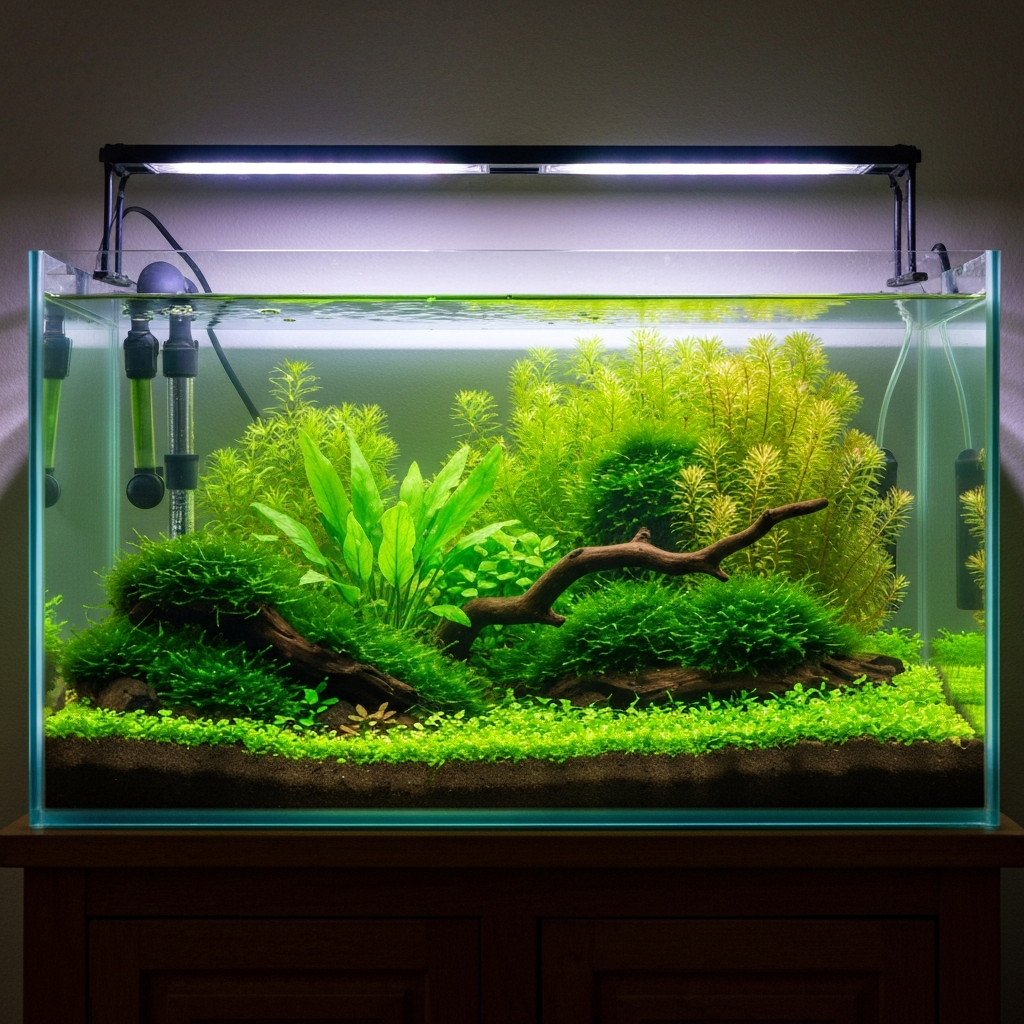
A 5-gallon tank holds stable temperature. You can fit a small heater and filter. The fish has room to actually swim. And here's the part nobody mentions: larger tanks are actually less work. More water volume = slower ammonia buildup = fewer water changes.
If you want to go bigger, a 10-gallon is fantastic. Your betta will use every inch. Just avoid tall tanks — bettas need to surface for air, and deep columns tire them out.
Heat: The Thing Most Beginners Skip
Bettas are tropical fish. Their ideal range is 78–80°F (25.5–26.5°C). Room temperature in most homes is 68–72°F. That's 10 degrees too cold.
A cold betta is lethargic. It hides. It stops eating. Its metabolism slows down, which means its immune system tanks. Then fin rot sets in. Then you're posting on Reddit asking why your betta is dying, and five people tell you to buy medication when all you needed was a $15 heater.
Get an adjustable heater, not a preset one. Preset heaters claim 78°F but often hover at 74 or 82. Spend the extra $10. A 25-watt adjustable heater is perfect for a 5-gallon tank. 50 watts for 10 gallons.
Also: buy a thermometer. The $3 glass kind with the suction cup. Heaters lie. Thermometers don't.
Water: It's Not Just Tap Water
You know how tap water smells faintly like a swimming pool? That's chlorine or chloramine — disinfectants that keep humans safe and kill fish gill tissue.
Buy a bottle of water conditioner. Seachem Prime is the gold standard — $8 for a bottle that'll last a year. Two drops per gallon. Done. It neutralizes chlorine, chloramine, and also detoxifies ammonia for 24–48 hours, which is useful during the cycling process.
Do not use distilled water. It lacks minerals bettas need for osmotic regulation. If your tap water is liquid rock (high pH, high hardness), mix in some spring water or use Indian almond leaves to soften it naturally.
Speaking of which: betta fish come from blackwater habitats — slow-moving water tinted brown by decaying leaves and wood. Adding an Indian almond leaf (catappa leaf) releases tannins that darken the water, lower pH slightly, and have mild antibacterial properties. It's the closest thing to their natural environment. A single leaf lasts about 2–3 weeks. Your betta will appreciate it.
Cycling: The Thing Nobody Warns You About Until It's Too Late
Here's a scenario that plays out in aquarium forums every single day:
"I set up my tank yesterday and added my betta. Today he's gasping at the surface and his gills look red. Help!"
That's ammonia poisoning. The tank isn't cycled.
Cycling means establishing a colony of beneficial bacteria that convert ammonia (fish waste) into nitrite, then into nitrate. This takes 3 to 6 weeks. During that time, ammonia and nitrite spike to lethal levels — unless there's no fish in the tank.
Fishless cycling (do this): Set up your tank. Add a pinch of fish food every day or use pure ammonia drops. Test the water every few days. You'll see ammonia rise, then fall as nitrite rises, then nitrite falls as nitrate rises. When ammonia and nitrite both read 0 and nitrate is detectable, your tank is cycled. Then add the betta.
Fish-in cycling (only if you already have the fish): Change 25–30% of the water every single day. Dose Seachem Prime to detoxify ammonia between changes. Test daily. This takes longer and stresses the fish. Avoid if possible.
You need a liquid test kit. The API Freshwater Master Kit is $25 and lasts hundreds of tests. The test strips are garbage — inaccurate and expensive per test.
Feeding: They're Pickier Than You Think
Bettas are carnivores. In the wild they eat insects, larvae, and tiny crustaceans. Flake food designed for goldfish or tropical community fish won't cut it.
What to feed:
- High-quality betta pellets (Omega One, Fluval Bug Bites, or Northfin Betta Bits)
- Frozen bloodworms (thawed in tank water, once or twice a week)
- Frozen brine shrimp or daphnia as variety
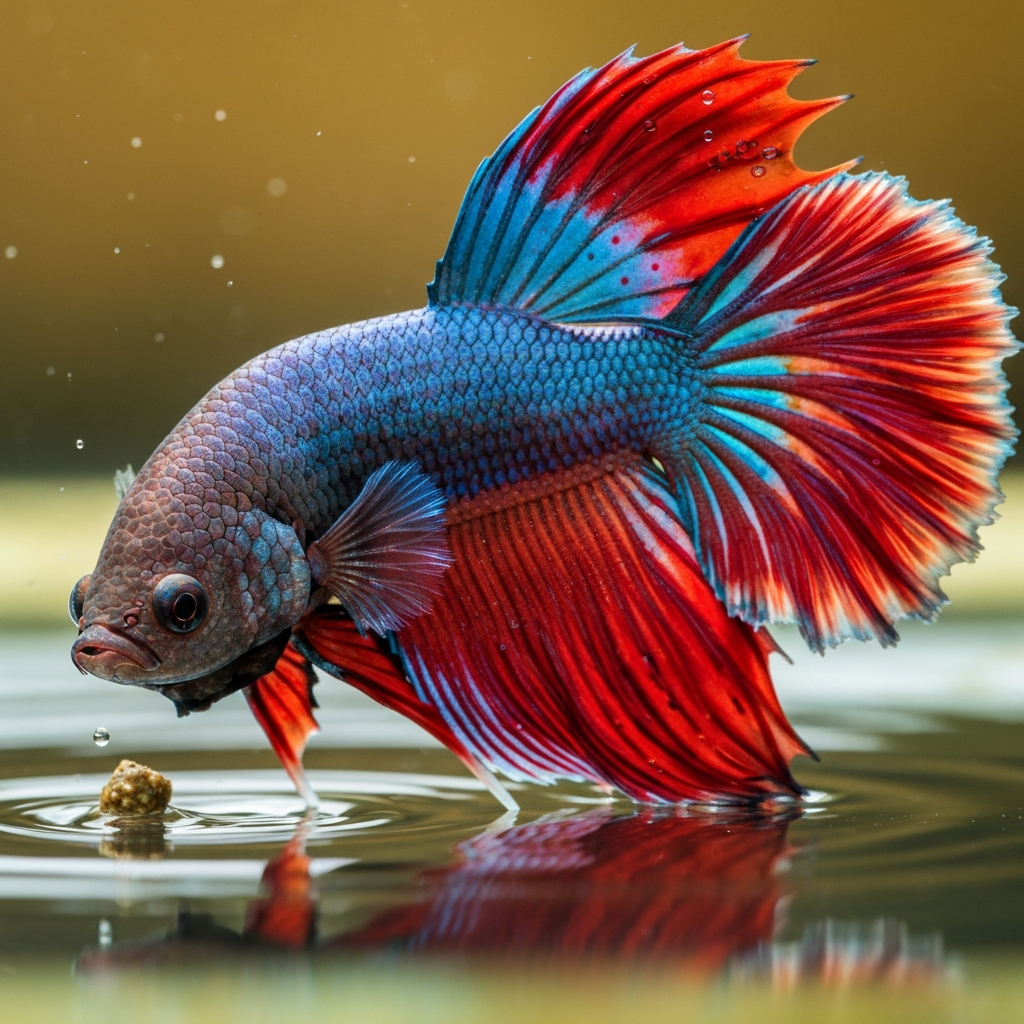
Feed 2–3 pellets twice a day. A betta's stomach is roughly the size of its eye. Overfeeding causes bloating, constipation, and swim bladder issues — one of the most common reasons bettas die in otherwise clean tanks.
Skip one day a week. Fasting day gives their digestive system a break and mimics natural feeding patterns.
If your betta ignores the pellets, they might be too hard. Soak them in tank water for 5 minutes before feeding. Or try a different brand. Some bettas are just divas about food.
Tank Mates: Mostly, Don't
I've tried keeping bettas with tank mates. Here's what happened:
- Neon tetras: the betta ignored them for two days, then systematically hunted them down one by one
- Cherry shrimp: expensive betta snacks ($40 worth of shrimp gone in 48 hours)
- Mystery snail: success — the betta flared at it once, got bored, never bothered it again
Bettas are territorial, solitary fish. Some individuals are peaceful. Others are serial killers. You won't know until you try, and the trial run costs lives.
What usually works in a 10+ gallon: snails (mystery, nerite). Corydoras catfish (6+ in a group, different water column). Kuhli loaches (need sand substrate, hide during the day).
What almost never works: other bettas (obviously). Gouramis. Guppies (bright colors trigger aggression). Any fish with flowing fins. Shrimp smaller than the betta's mouth.
If you want a community tank, set up a separate one. Your betta wants solitude, not roommates.
Signs Your Betta Is Healthy (and Signs Something's Wrong)
A thriving betta:
- Swims actively, explores the tank
- Comes to the front when you approach
- Eats enthusiastically
- Builds bubble nests (males — sexual maturity, not "happiness")
- Vibrant color, no faded patches
- Fins fully extended, no clamping
Red flags:
- Clamped fins = stress or illness
- White spots = ich (parasite)
- Frayed fins = fin rot
- Lying on bottom, labored breathing = ammonia poisoning / swim bladder
- Bloated belly, floating sideways = constipation / swim bladder disorder
- Not eating 2+ days = something wrong
Most betta diseases are preventable with clean water. Before reaching for medication, do a 50% water change and observe for 24 hours.
Water Changes: Your Single Most Powerful Tool
If you take one thing from this entire guide, make it this: clean water fixes more problems than any medication ever will.
My routine for a 5-gallon tank:
- 25% water change once a week
- Use a gravel vacuum to clean substrate
- Temperature-match the new water
- Dose water conditioner before adding new water
- Rinse filter media in old tank water (never tap water)
That's it. 15 minutes, once a week. Do this consistently and I guarantee you'll avoid 80% of the health problems betta owners post about.
Quick Setup Checklist
If you're starting from scratch, here's everything you need today:
Total: ~$80–120 for everything
That's less than replacing dead bettas every three weeks.
I won't pretend bettas are the easiest fish in the hobby. They have specific needs, they get sick when those needs aren't met, and the misinformation out there is staggering. But once you understand what they actually require — warm water, a cycled tank, good food, and clean water — they're wonderfully rewarding fish to keep.
Mine recognize me. They follow my finger across the glass. They build elaborate bubble nests and flare dramatically at the snail that's been in their tank for six months. They have personality.
Treat them right and they'll give you three to five years. That's not bad for a fish that cost $8.
Related Guides
Alex Rivera
Betta keeper since 2019. I write honest, experience-backed guides — no fluff, no pet store myths.